Showcase
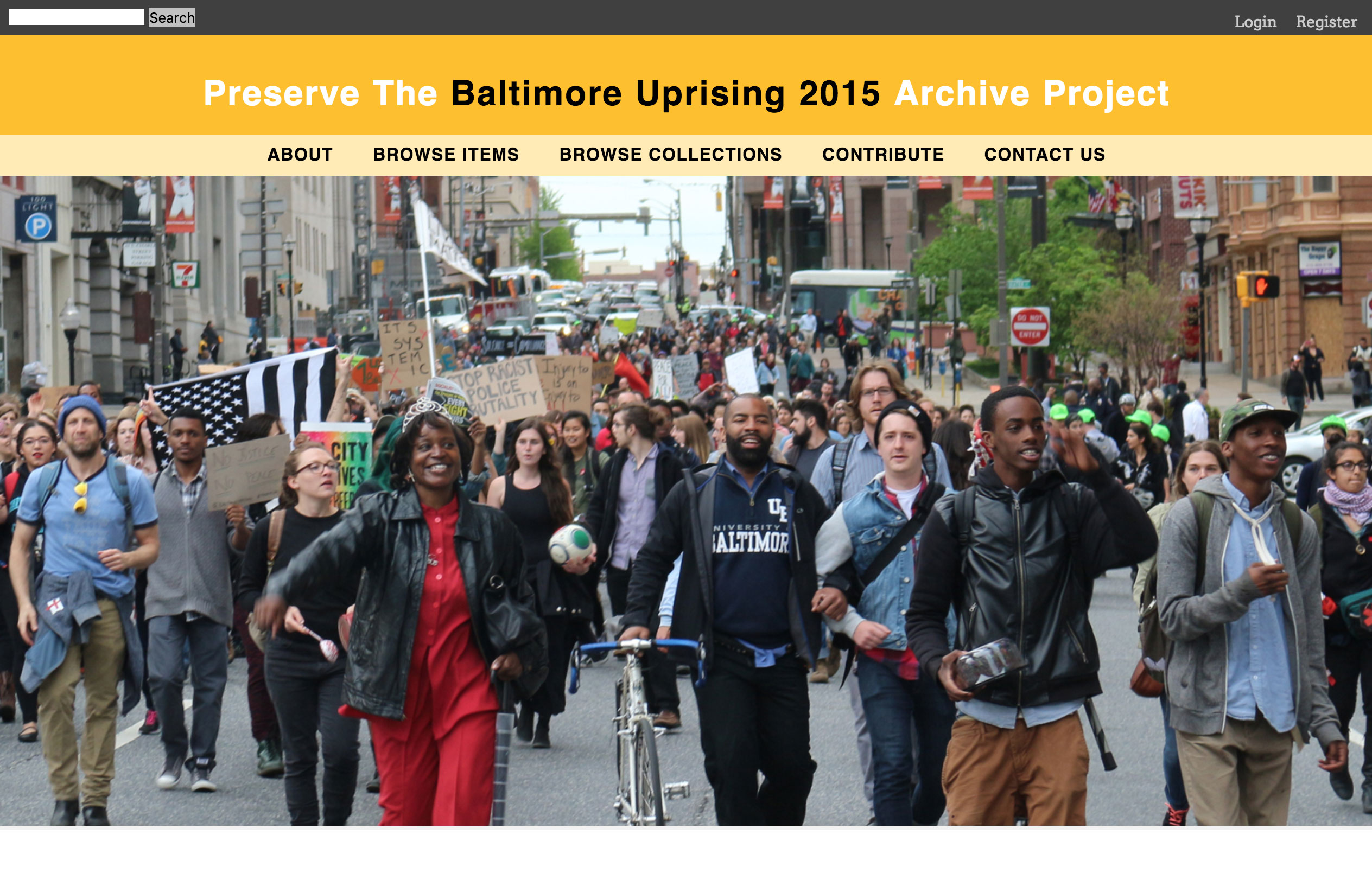
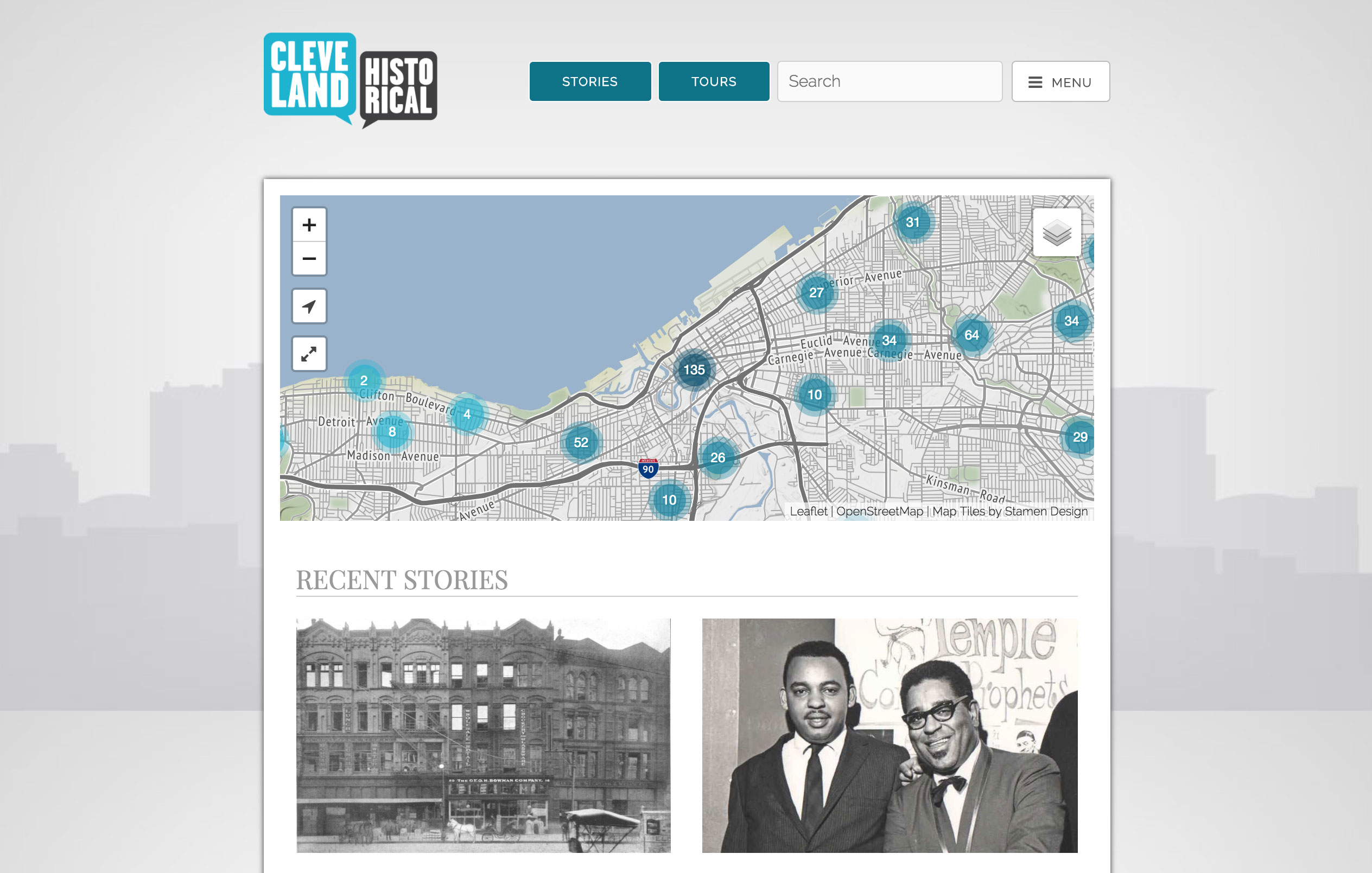
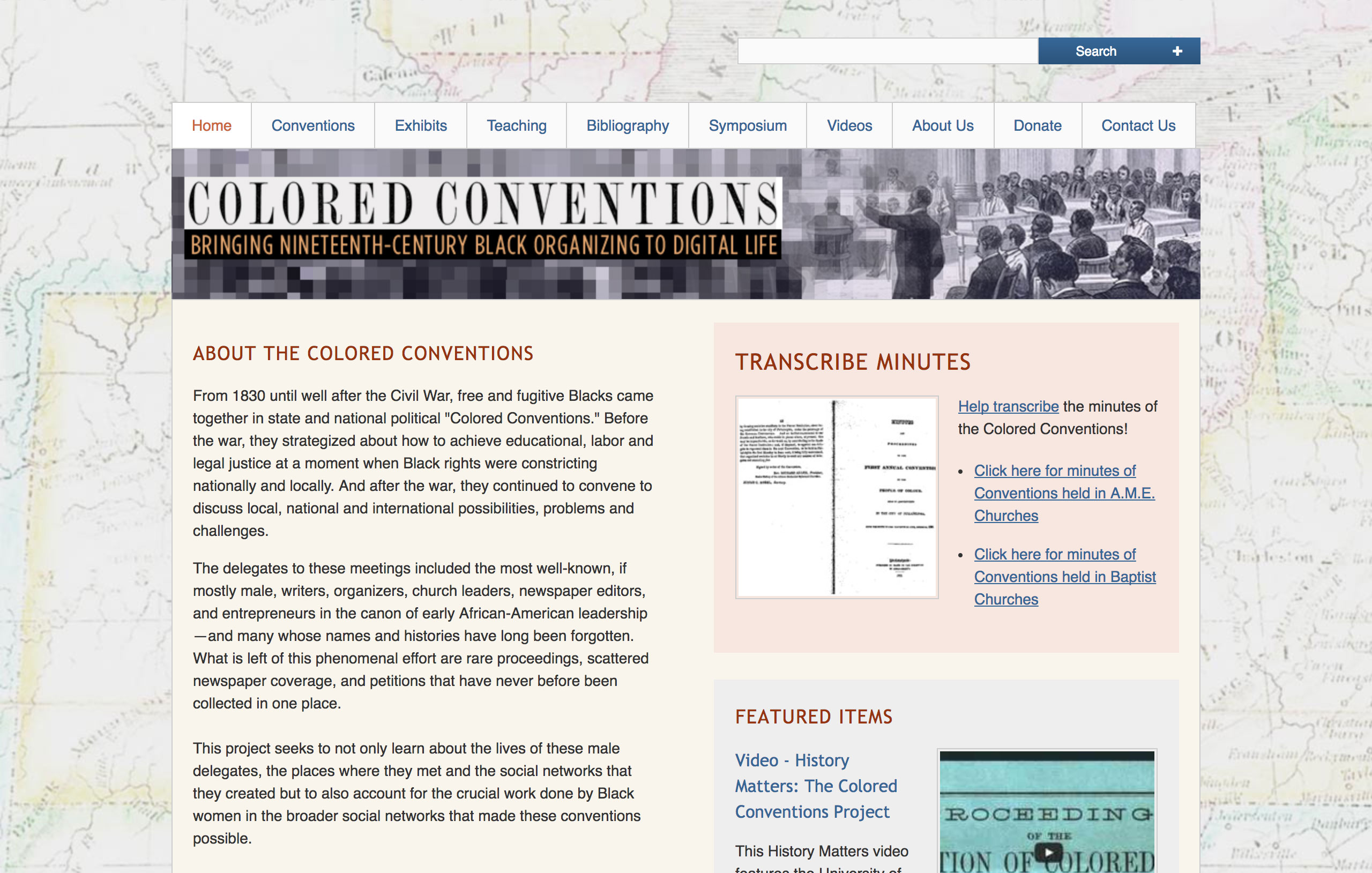
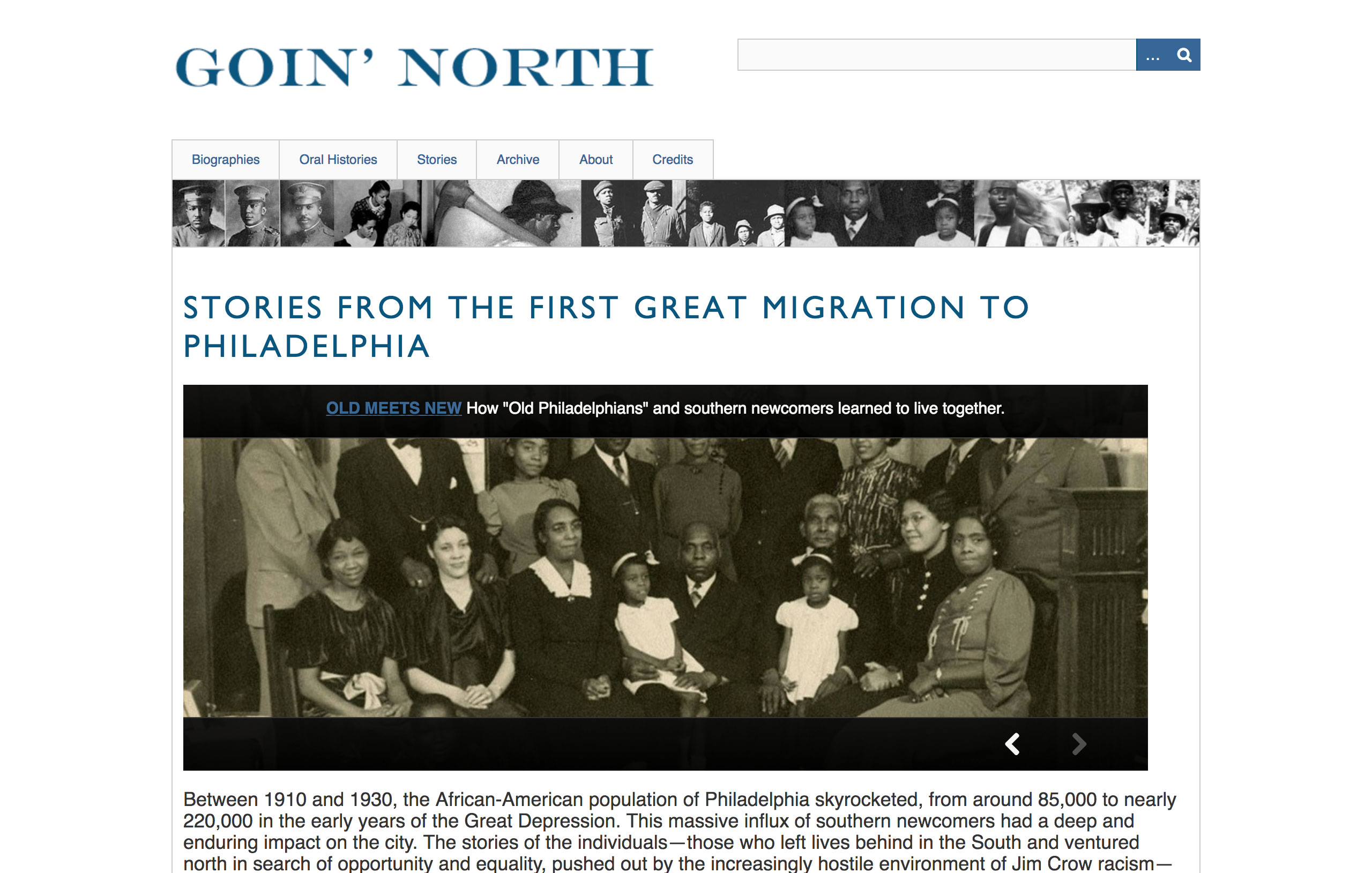
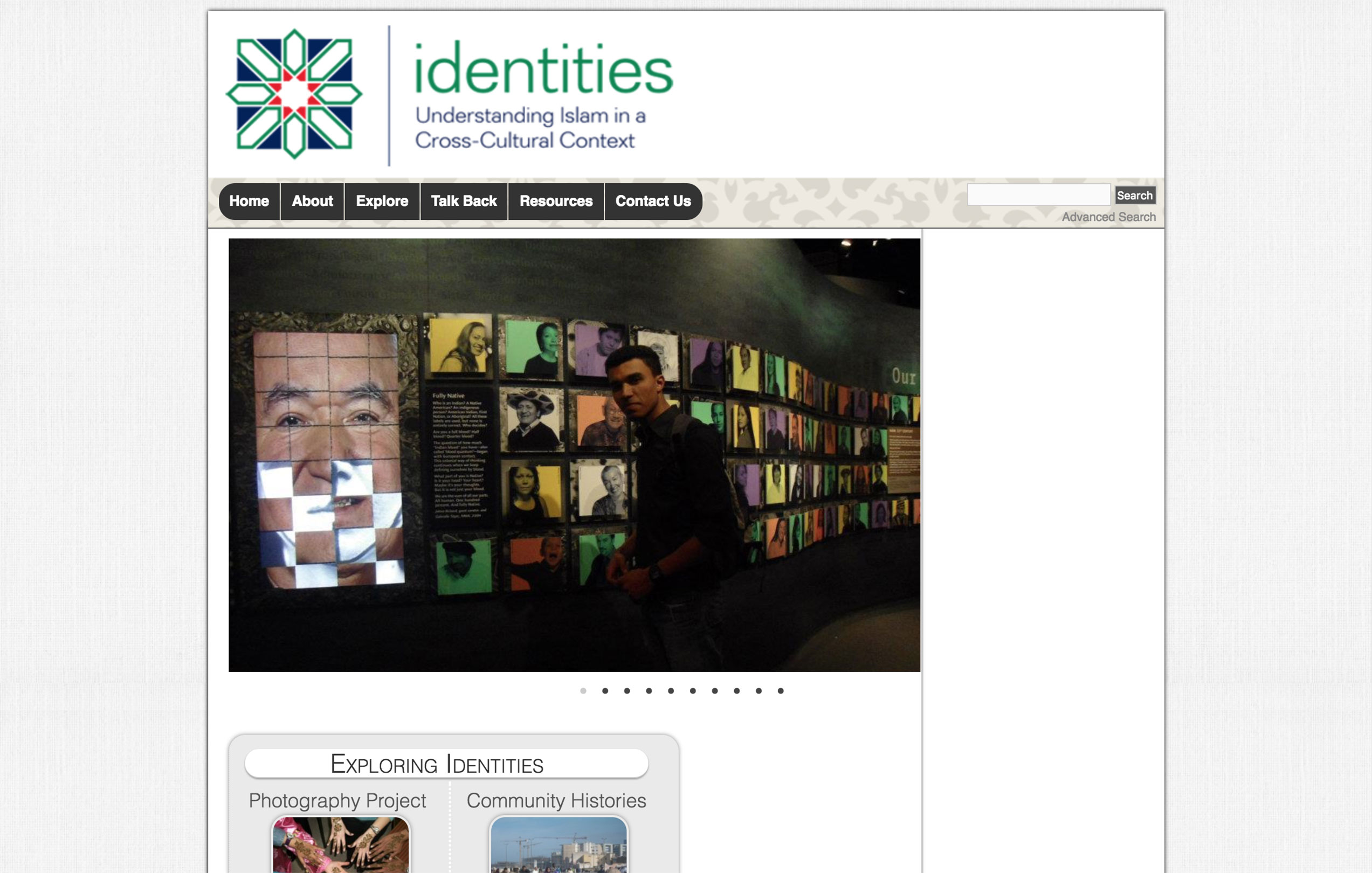
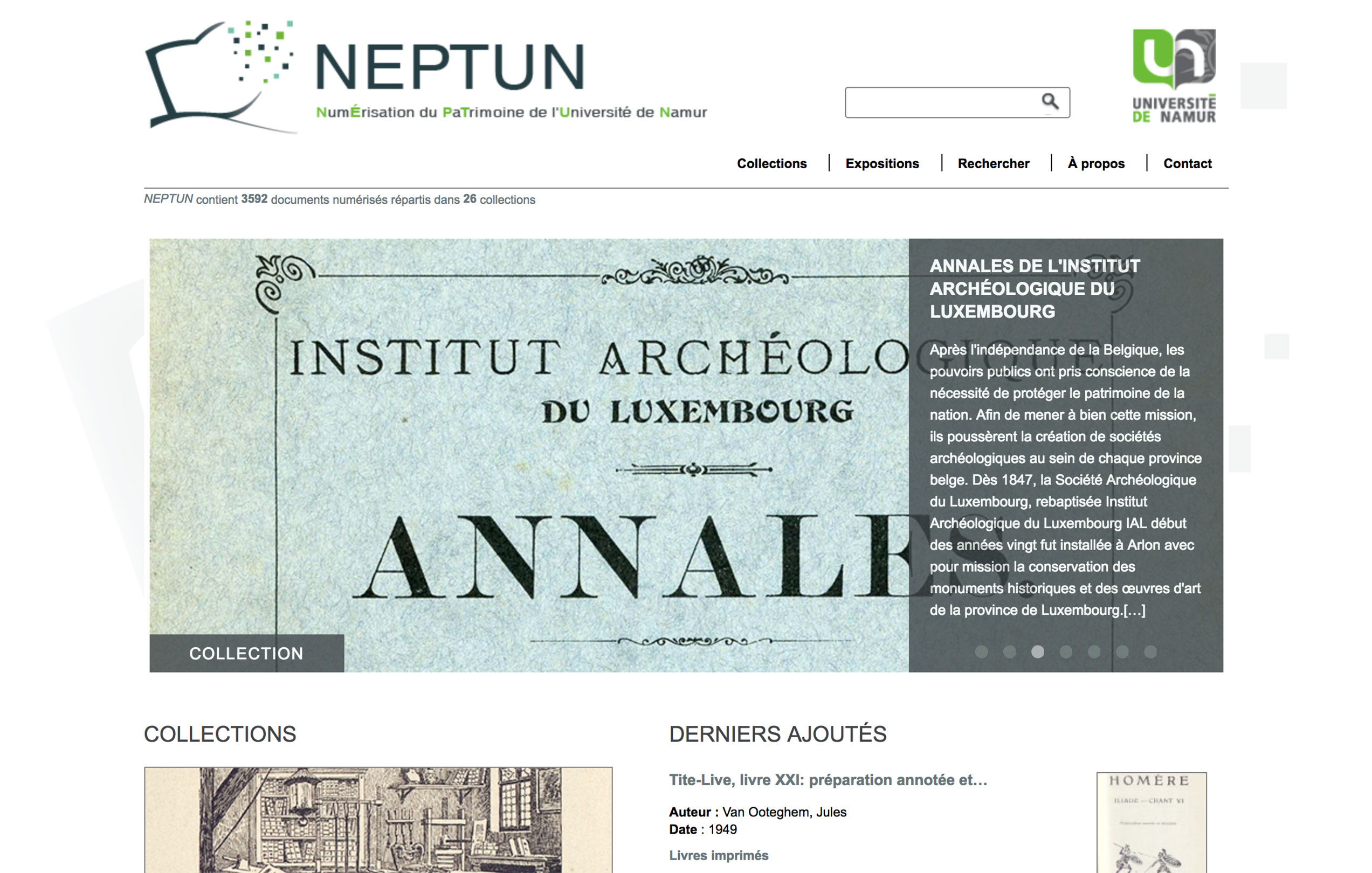
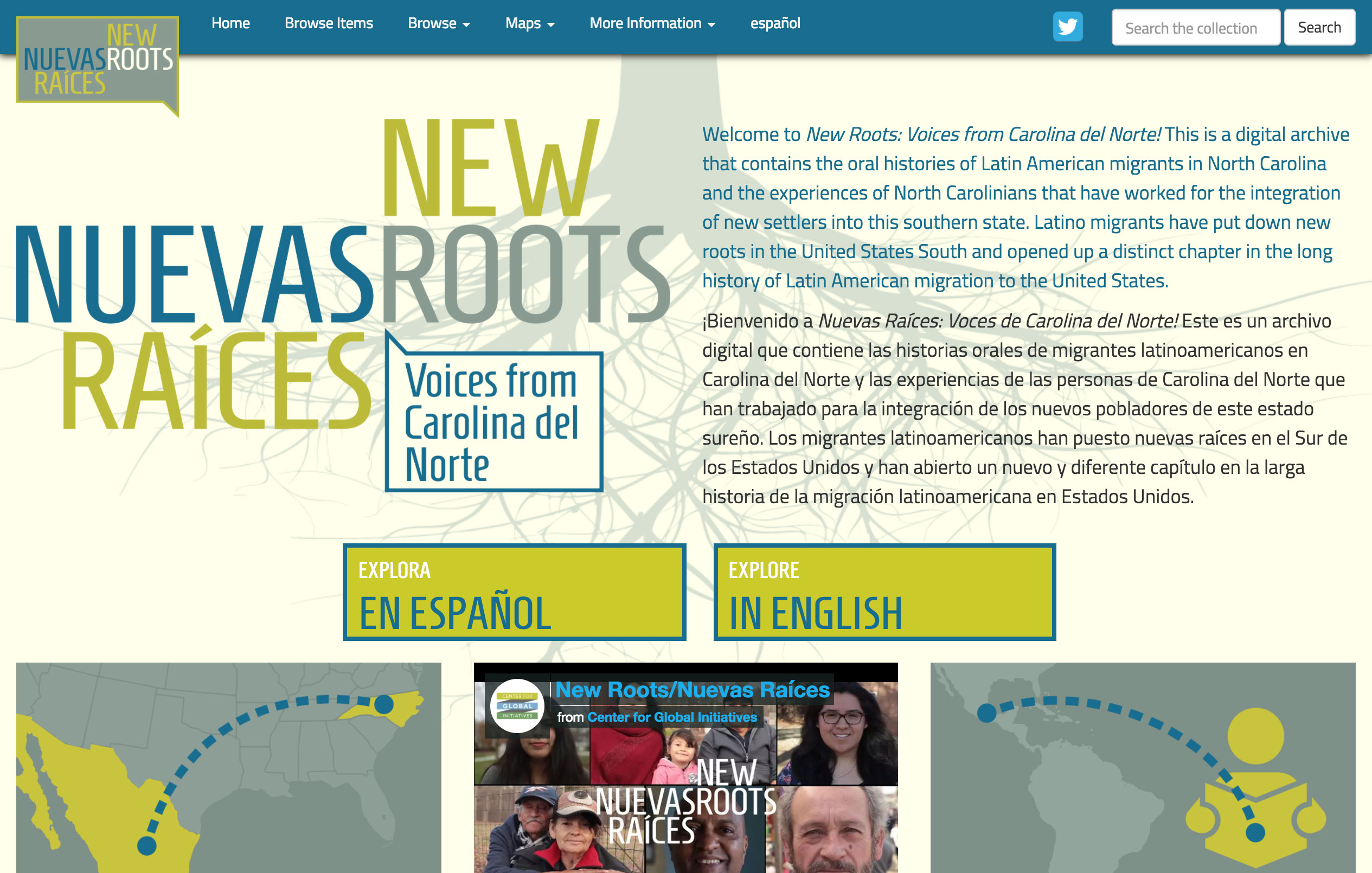
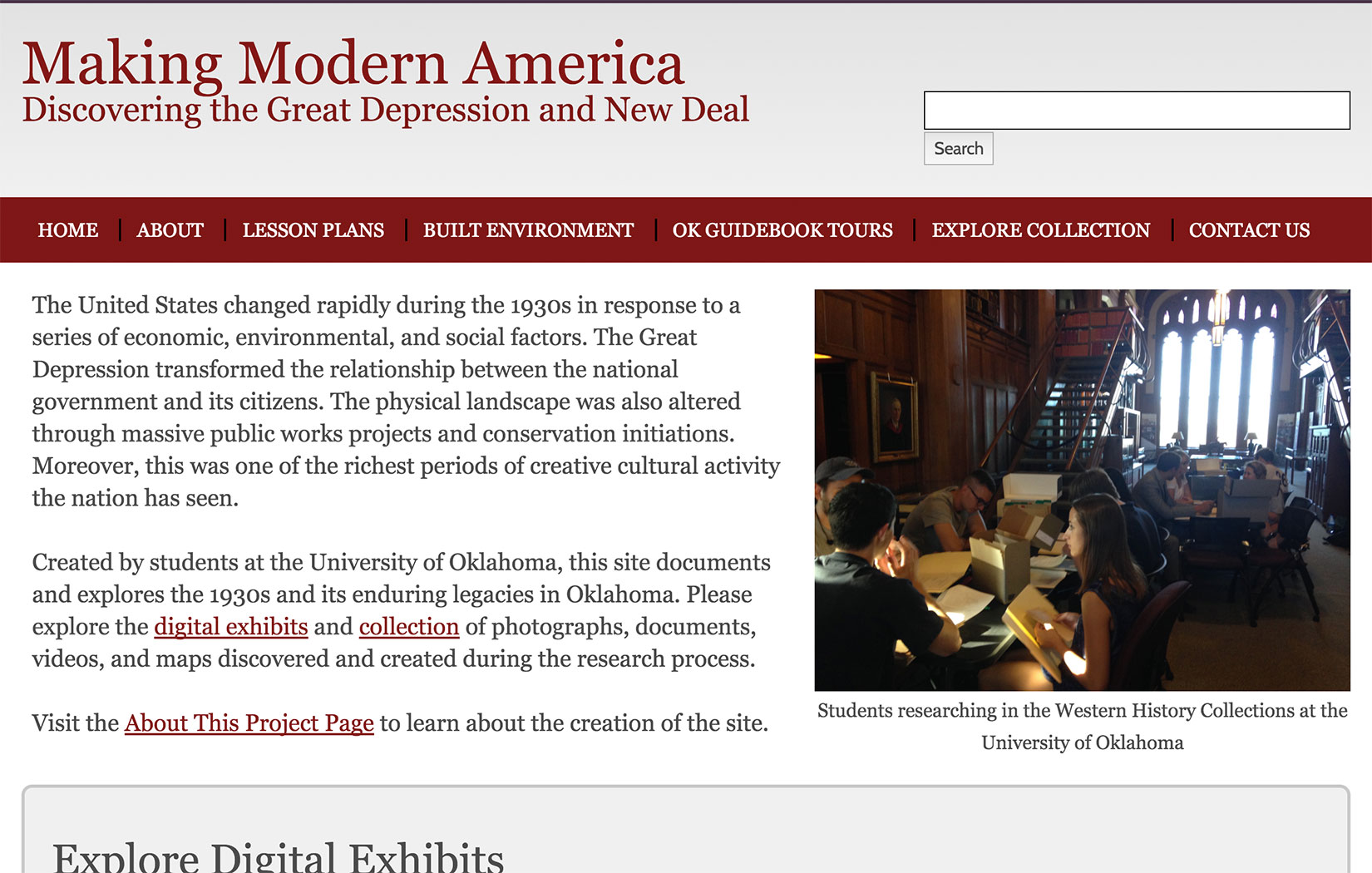
Examples of projects built with different versions of Omeka:
- Hurricane Digital Memory Bank
-
- The Hurricane Digital Memory Bank uses electronic media to collect, preserve, and present the stories and digital record of Hurricanes Katrina and Rita. It contributes to the ongoing effort by historians and archivists to preserve the record of these storms by collecting first-hand accounts, on-scene images, blog postings, and podcasts. We hope to foster some positive legacies by allowing the people affected by these storms to tell their stories in their own words, which as part of the historical record will remain accessible to a wide audience for generations to come.
- The April 16 Archive
-
- The April 16 Archive uses electronic media to collect, preserve, and present the stories and digital record of the Virginia Tech tragedy of April 16, 2007. The archive is hosted on the Virginia Tech campus, and is curated by students, faculty, and staff.
- Katrina’s Jewish Voices
-
- Built in collaboration with the Jewish Women’s Archive, Katrina’s Jewish Voices welcomes members of the Jewish community—women and men alike—to tell their own stories of how Hurricane Katrina affected them, and to share their memories of these historic Jewish communities. The project is collecting digital artifacts in a variety of forms, including photos, blog postings, podcasts, emails, essays and other first-hand accounts, from American Jews nationwide.
- Object of History
-
- The Object of History is a cooperative project between the Smithsonian’s National Museum of American History and George Mason University’s Center for History and New Media. The project was conceived of in an effort to find a low cost way for students and teacher of U.S. History to have access to the museum’s collections and the expertise of the curators. As a result the materials on the site are designed to improve students’ content knowledge of standard topics in U.S. History and to improve their ability to understand material culture objects as types of historical evidence.
- Catawba River Docs
-
- This website complements a physical show, River Docs, developed by the Light Factory and Cultural Heritage & Museums. It showcases work by contemporary artists who were asked to document their personal interactions with Catawba River over the course of one year through their art. Nice Outfit designed this online exhibit using Omeka to collect and display stories and images submitted by the general public representing their relationship with the river and region.
- A Look Back at Braddock District, Fairfax County, Virginia
-
- A Look Back at Braddock District is a local history, the story of a rural region in the heart of Fairfax County, Virginia, transformed over time into a sprawling suburb of Washington, DC. The memories of more than 50 Northern Virginia residents are captured in oral histories. Photographs, documents, maps and artifacts amplify these personal experiences and document growth and change in the area.
- Making the History of 1989: The Fall of Communism in Eastern Europe
- As rapid as it was unexpected, the collapse of the Communist regimes in Eastern Europe, the non-collapse of the Chinese regime, and the period of transition that followed brought the twentieth century and the Cold War to a close in a way few expected.Making the History of 1989 helps teachers and students make sense of these events with a database of more than 300 annotated primary sources from 1989 and its aftermath, a series of multimedia interviews with scholars, and a collection of teaching resources designed to help teachers at all levels put the resources of the website to use in their classrooms. This site is under development.
- Gulag: Many Days, Many Lives

- The Gulag existed neither as a single unified experience, nor as a single unified institution. Comprised of a variety of forms of harsh detention and for a diversity of prisoners, it existed as a massive machine influencing the lives of countless people. Gulag: Many Days, Many Lives engagingly presents in vignettes and full biographies an array of prisoner lives.This site is under development.
- Bracero History Archive

- The Bracero History Archive collects and makes available the oral histories and artifacts pertaining to the Bracero program, a guest worker initiative that spanned the years 1942-1964. Millions of Mexican agricultural workers crossed the border under the program to work in more than half of the states in America. This site is under development.